The days the century actually turned — not the loudest days, the load-bearing ones. Stand on any of these and you can feel the track switch.
29 July 1876
The farm opens its gates
The Indian Association for the Cultivation of Science, 210 Bowbazar Street — public subscription, no government money, “solely native, purely national.” The same year the famine begins, the telephone is patented, and J.C. Bose turns eighteen. Four switches thrown at once.
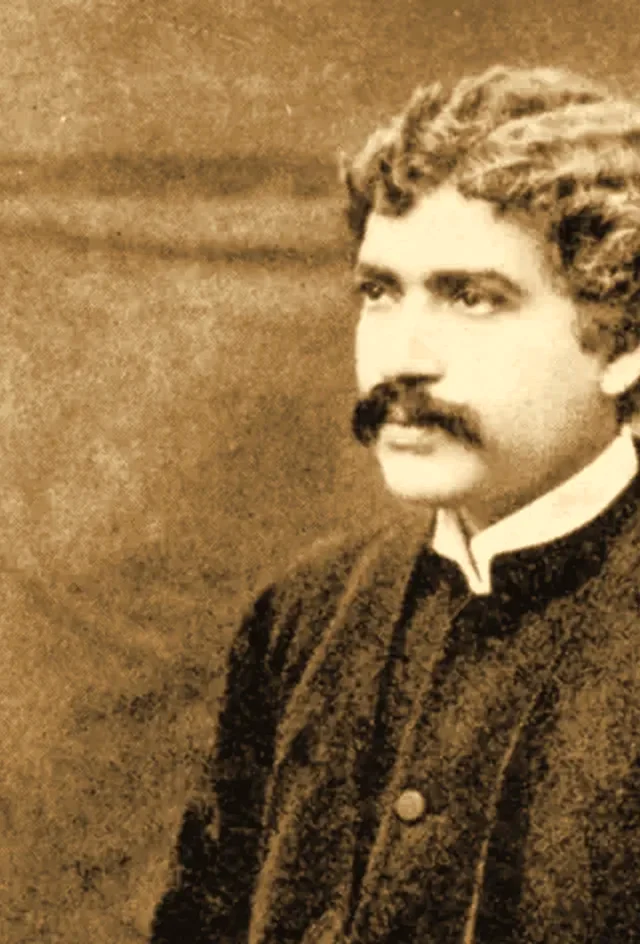
Bose stands in the Royal Institution — the cathedral of British physics — and makes invisible waves bend, reflect, polarise, on instruments built with a Calcutta tinsmith. The room came for a clever Indian and watched a peer.
On his own birthday, Bose pours his honours and savings into the Bose Institute and hands it to the nation — the way you’d hand your children a working farm rather than a sack of coins.
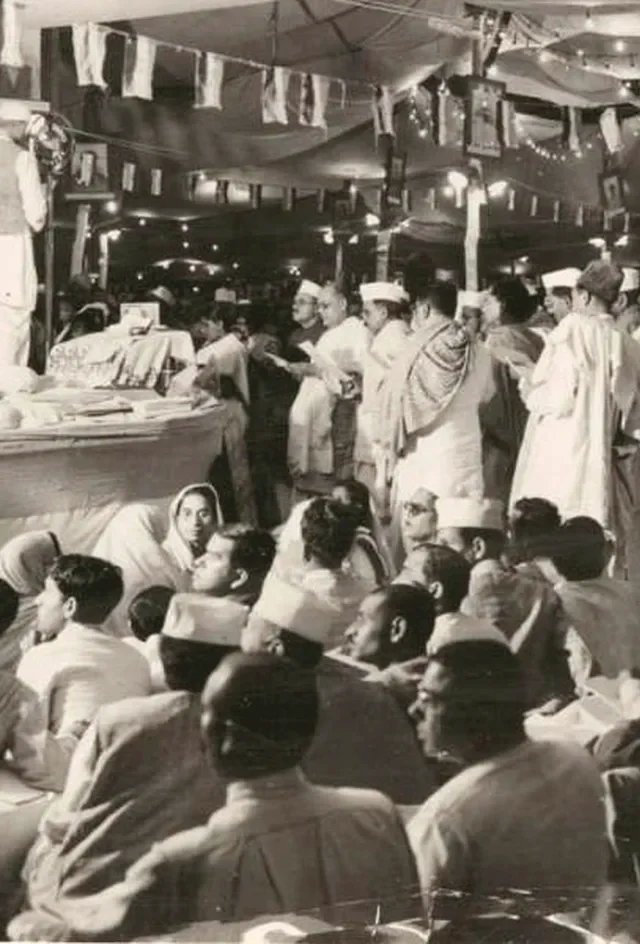
On the banks of the Ravi at Lahore, the Congress declares Purna Swaraj — complete independence. 26 January 1930 becomes the first Independence Day. The demand will never shrink again.
Sixty-one years old, 240 miles on foot, to pick up a fistful of illegal salt — the one grievance every one of 300 million shares. The empire arrests him for it, and loses the argument in front of the world.
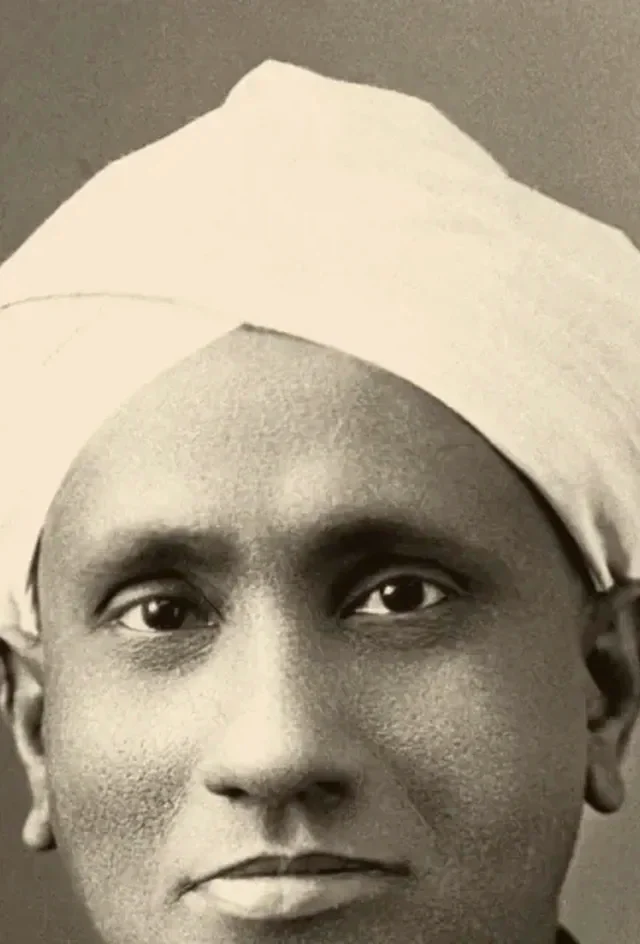
Raman takes the subcontinent’s first science Nobel — for work done in India, on Indian instruments, in a house built by public subscription. Sovereignty of the mind, certified.
Bhagat Singh, Sukhdev and Rajguru hang. Gandhi’s heart “bleeds profusely”; the movement splits between the road of patience and the road of the gun. The truce holds and does not heal.
Dadabhai Naoroji, eighty-one and the most moderate man in Indian politics, uses the word swaraj from the Congress presidential chair. A demand made by the empire’s most loyal critic cannot be filed under extremism. From here the argument is only about speed.
Tens of thousands of Indian troops are assembled on a Singapore recreation ground and informed that they have been transferred to the Japanese by the terms of the surrender. The load-bearing wall of the entire Raj — the assumption that the Indian Army obeys — develops a crack that is never repaired.
Two thousand nine hundred and sixty-one against two thousand nine hundred and fifty-six, Central Finsbury — and some sources say three, which tells you the margin needed a recount either way. That is the entire mandate on which the first Indian walks into the House of Commons. He does not spend it on symbolism. By 1895 he is on the Welby Commission on Indian expenditure, the first Indian on any royal commission, giving evidence to it in March 1897. Five votes, converted into a seat on the body that had to look at the books.
A professor is assaulted at Presidency College. He cannot identify anybody. A college servant says he saw a boy leaving — and on that sentence a nineteen-year-old loses his college and is rusticated from the University. Whether he swung, organised it, or took the blame for someone else, the record does not settle. Asutosh Mookerjee gets him back into a degree a year later. Thirty years on, hearing he is dead, the professor writes him a poem about Icarus.
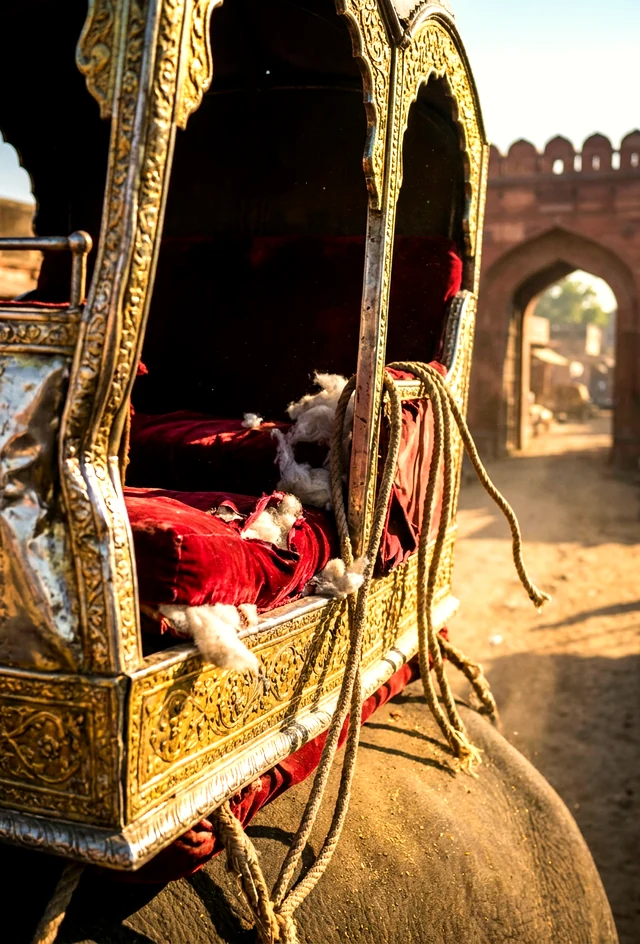
The capital is being moved to Delhi and the Viceroy rides in on an elephant to prove it. Three hundred yards into the bazaar a bomb goes off. Hardinge survives with screws and gramophone needles in his back; the servant holding the state umbrella over him does not. Four men hang for it. The man who built the network was a government head clerk, and he walked.
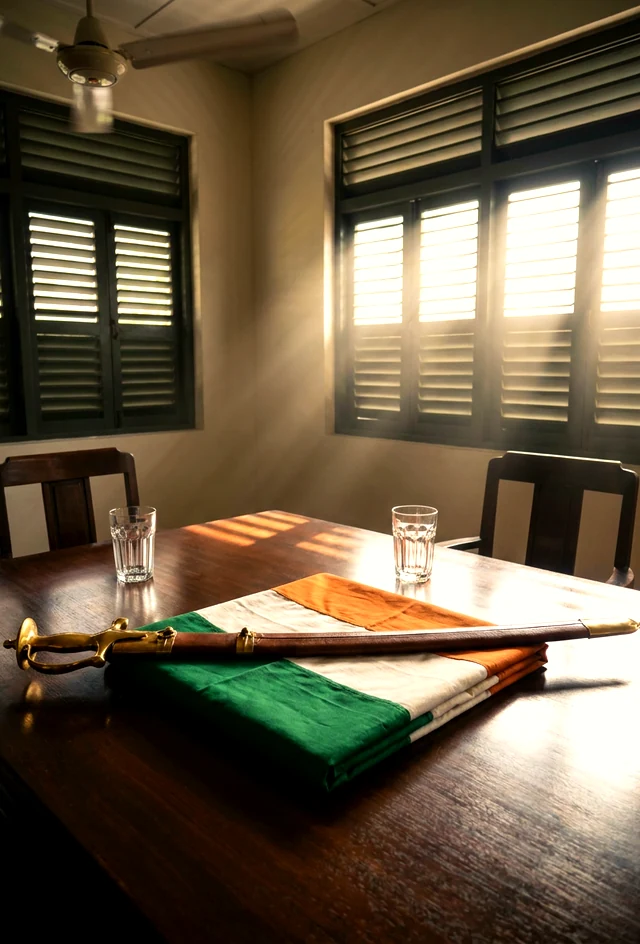
A general rising was set for the twenty-first — Lahore as headquarters, emissaries out to cantonments from Meerut to Lucknow, bombs made, four flags sewn, a declaration of war drawn up. One man in the room went to the police. The date was pulled forward to the nineteenth; that leaked too. Thirteen arrests, twelve bombs, four flags, and the largest armed conspiracy of the war years was over in four days.
A fifty-seven-year-old who had spent twenty-eight years in Japan assembling a network, a set of patrons and a political vehicle handed all of it to a man thirty years younger whom he had judged, in 1940, to be “the person of today”. Eighteen months later he was dead in Tokyo. The army that marched on Imphal was built by one of them and led by the other.
At the greatest ceremonial gathering the British ever staged in India, two announcements nobody had been warned about: the capital would move to Delhi, and the partition of Bengal would be annulled. A concession to the agitation and a retreat from the city that made it, in the same breath.
A chartered ship carrying several hundred British subjects to Vancouver, kept at anchor two months, forced out under naval escort, and fired on at Budge Budge when it came home. Nobody aboard needed the empire explained to them afterwards.
The Congress and the Muslim League agree a joint reform scheme, and the Congress accepts separate electorates as the price. The most hopeful week in the relationship between the two organisations is also the week that made religion a permanent electoral category.
Several hundred treaties between the Crown and the princely states expire at once, and on the legal record that many entities become independent on a single morning. Nobody planned a subcontinent of confetti; it fell out of the arithmetic, and had to be undone in five weeks.
Apsara goes critical on a headland outside Bombay — the first research reactor in Asia outside the Soviet Union, argued for in a letter to the Tatas in 1944, before there was an Indian government to fund anything. A poor country got in at the beginning of something instead of buying it second-hand at the end.