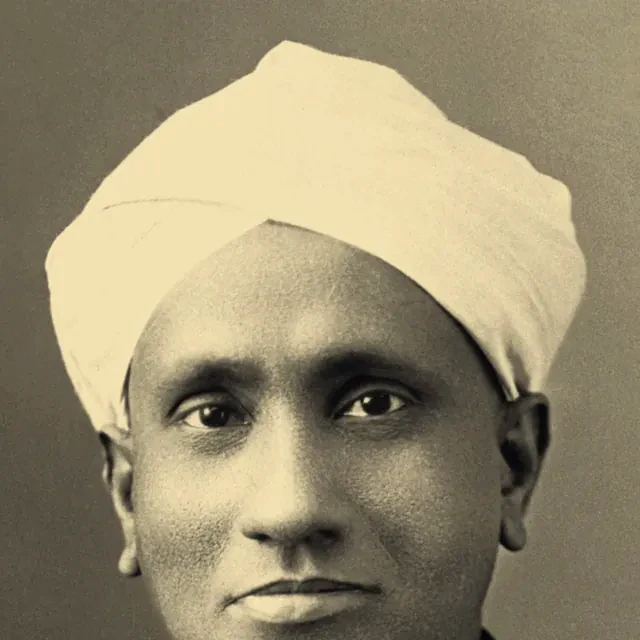
In 1930 — the year India goes to war with the empire over a fistful of salt — a telegram arrives in Calcutta from Stockholm. C.V. Raman has been awarded the Nobel Prize in Physics. It is the first science Nobel the subcontinent has ever won, and the part that matters most is where it was earned: not in a gleaming European laboratory, but here, on Indian equipment, in the rooms a Bengali heretic raised in 1876 with public subscriptions and an impossible idea.
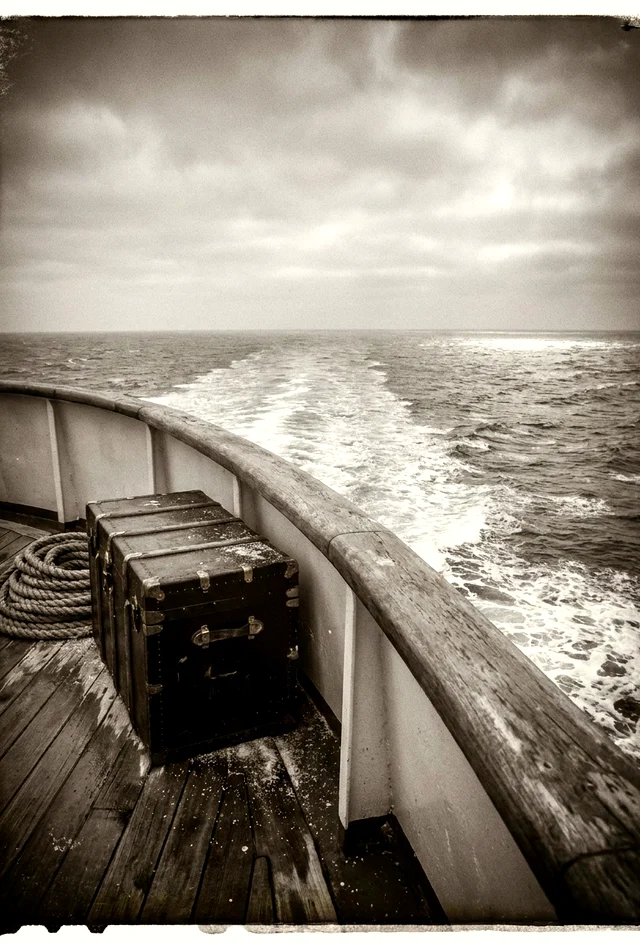
And here is the detail that tells you who the man was. The telegram surprised nobody less than Raman. He had booked steamer passage to Europe for himself and his wife in July — four months before the Nobel committee voted. Two years earlier, asked what would have happened had he found his effect a year sooner, he told his nephew he would have had to share the prize with Compton, and he would not have liked that. He wanted the whole thing. Confidence like that builds institutes, and costs friendships, and this episode carries both entries in the ledger.
Read the date against the address one more time, because the arithmetic is the thesis of this whole show. Sircar founds the Indian Association for the Cultivation of Science in 1876, "solely native, purely national," and dies in 1904 certain the money for greatness will never arrive. Fifty-four years after he switches on the light, his bet is paid in full in front of the King of Sweden. The farm planted to prove that Indians could make knowledge, not merely receive it, has now produced that proof at the highest court the world keeps.
1930 is the year India declares two independences at once — one in the streets, one in a laboratory.
On the streets it is Purna Swaraj and the Salt March: complete political freedom, demanded by a marching nation. In a Calcutta laboratory it is a sovereignty of the mind, not demanded but proven. The empire could and did jail the marchers by the tens of thousands. It could not, by any law it owned, un-win the Nobel.
The light was at its very brightest in the exact year the country went to war — and that was not a coincidence the show is inventing. It was the same fire, on two fronts, lit from the same 1876 match.