Take the camera off the gallows and the negotiating table for a moment, off the marching and the bargaining and the grief, and go looking for the men this whole show is actually about. Where were the Bose Boys in 1931, in the loudest year the freedom movement ever had? Exactly where they had always done their best work — on the sidelines, heads down, building the one thing every speech in the country was only demanding.
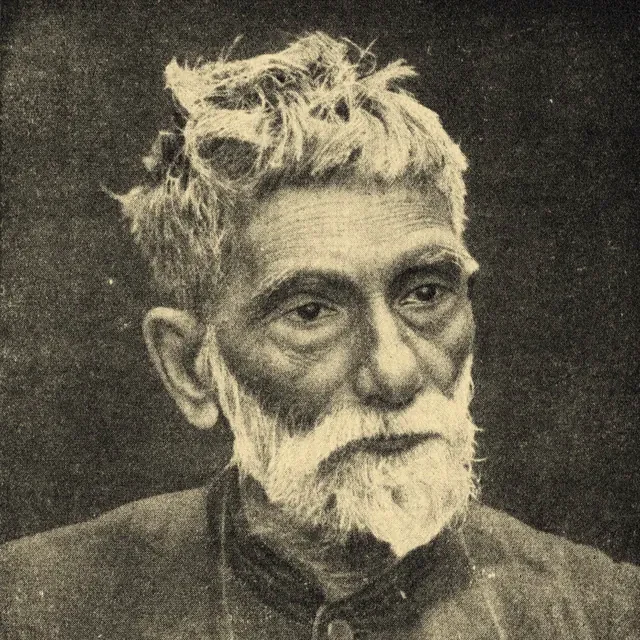
P.C. Ray's Bengal Chemical is on the factory floor, manufacturing in India the things India used to be forced to import — the living proof of the credo he had preached for thirty years: industry over institute. While the politicians fight over who is politically free, Ray is quietly building the economic freedom without which the political kind is just a flag flying over an empty treasury. He had said it plainly: you do not end the drain by protesting it. You end it by making your own.
And the rest of the farm crops on, indifferent to the headlines. Raman sits in Sircar's old rooms with a Nobel on the shelf. Saha reads the stars and, when the rivers rise, organizes the relief. Bose's Institute runs exactly as he built it to — a temple, he insisted, not a laboratory — signed over to a nation that was not yet free, turning out instruments and the men who make them. Not one of them is in a cell, and not one of them is at the table in Delhi. They are simply, relentlessly, making the country the marchers are demanding.
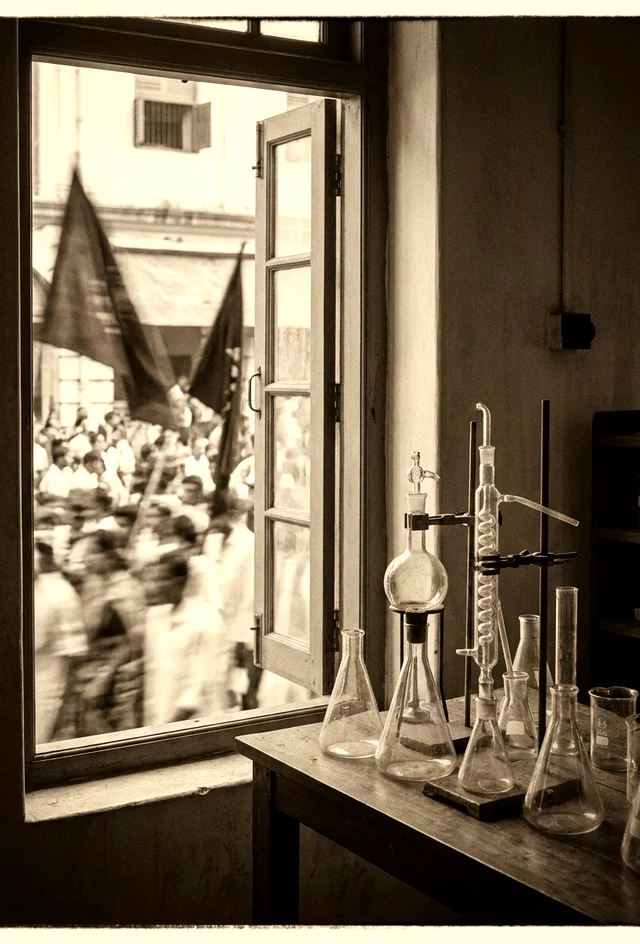
There were always two wars. The loud one for the streets and the statute books would be won and lost and won again. The quiet one — for the spine, for the power to make and to know and to stand without leaning — never paused for any of it, not for a depression, not for a pact, not for a rope. And of the two, only the quiet one was never, for a single day, in any danger of being lost.