In 1927 the empire appoints a commission to settle the constitutional future of India and staffs it entirely with Englishmen — not one Indian on a body deciding the fate of three hundred million. The arrogance is so complete that it accomplishes what no nationalist could: it unites a fractured country in a single emotion. Everywhere the Simon Commission lands, it steps off the train into a sea of black flags and one chant, in a dozen languages at once — Simon, go back.
Lahore, October 1928. Leading the protest is Lala Lajpat Rai, the Lion of Punjab, an old man who has given his life to this fight. The police answer the marchers with steel-tipped lathis, and a British officer beats the old Lion across the chest. He does not back down. He tells the crowd, in words the country will not forget, that every blow that has landed on his body is a nail in the coffin of British rule in India. Weeks later, on the seventeenth of November, he dies of those injuries.
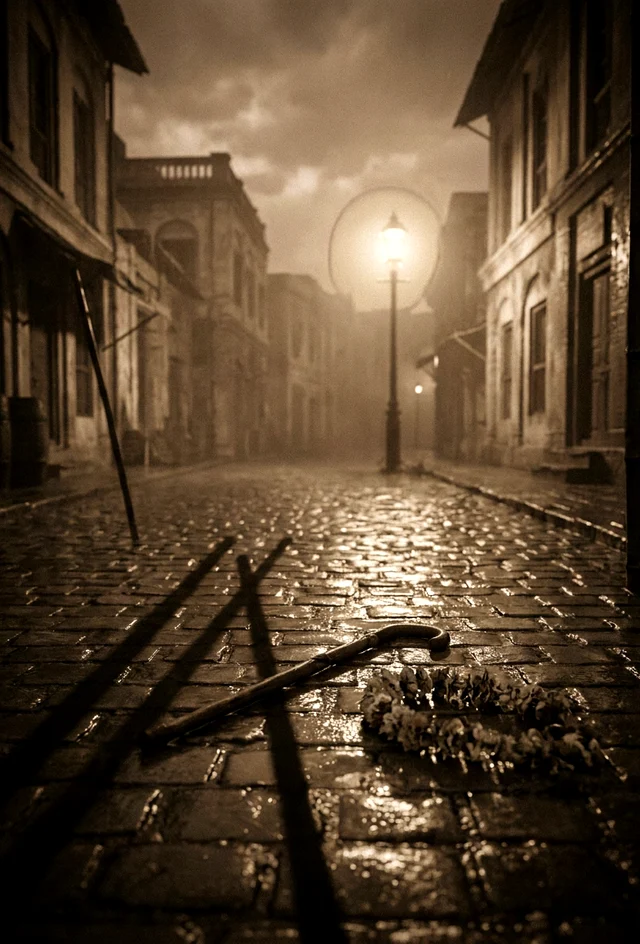
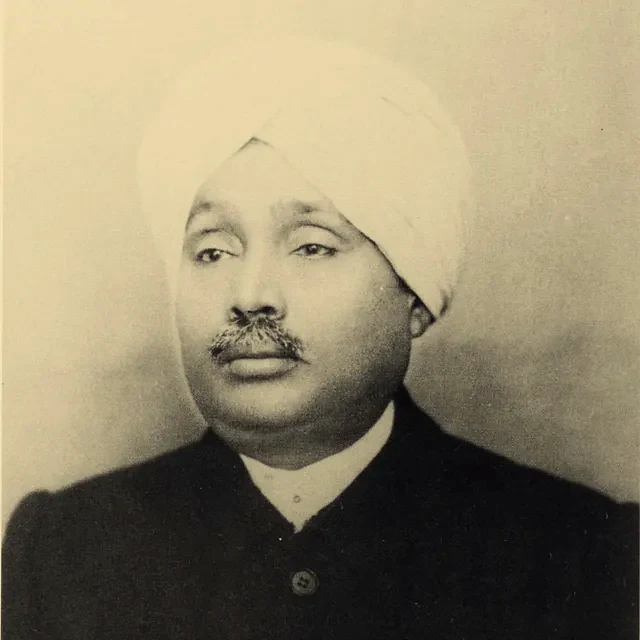
The Lion's death does not frighten the young. It enrages them. A twenty-one-year-old named Bhagat Singh and his comrades swear to answer it, and they kill a British police officer in revenge — and the whole movement begins, quietly, to crack down the middle, between Gandhi's long road of patience and the short, hot road of the gun. Both roads will arrive, three years from now, at the same gallows.
And on the sidelines of the fury, the laboratories keep their lights burning. Two fronts of one war: one reclaiming the streets with black flags, one reclaiming the mind with instruments. The empire can lathi a marcher. It is finding, that same year, that it cannot lathi a discovery.
They killed the Lion and thought they had ended something. What they had actually done was hand the next generation its reason — and start the clock on a reckoning that no pact, three years later, would be allowed to stop.